If you’ve started collecting quotes for a bathroom renovation in Vancouver, you’ve probably noticed something unsettling: the numbers don’t agree with each other. One contractor says $18,000. Another says $35,000. A third comes in north of $50,000 for what looks like the same project on paper.
This isn’t price gouging — it’s a sign that “bathroom renovation” actually covers a wide range of work, and Vancouver’s market has its own pricing logic that doesn’t match national averages or generic online calculators. This guide breaks down what’s actually driving those numbers in 2026, using real project data and current market rates, so you can budget with confidence instead of guessing.
The Short Answer: 2026 Vancouver Bathroom Renovation Costs at a Glance
Before getting into the details, here’s the range you can expect across the most common project types in Metro Vancouver this year:
|
Renovation Type |
Typical Cost Range |
Timeline |
|
Powder room refresh |
$8,000 – $18,000 |
1–2 weeks |
|
Standard 3-piece bathroom (full renovation) |
$18,000 – $35,000 |
3–6 weeks |
|
Master ensuite renovation |
$28,000 – $45,000+ |
5–8 weeks |
|
Luxury bathroom remodel |
$40,000 – $65,000+ |
6–11 weeks |
|
Condo bathroom renovation |
$18,000 – $32,000 |
3–6 weeks (plus strata scheduling) |
Most homeowners renovating a single, standard bathroom in Vancouver should plan for somewhere between $25,000 and $35,000 once labour, materials, fixtures, and permits are all accounted for. That’s notably higher than the Canadian national average, which sits closer to $11,000–$13,000 for a complete bathroom renovation — a gap that surprises a lot of people moving to BC from other provinces.
Why Vancouver Costs More Than the Rest of Canada
It’s a fair question: why does the exact same bathroom renovation cost 20–40% more in Vancouver than in Calgary, Toronto, or Halifax? A few structural factors are at play, and none of them are going away anytime soon.
Licensed trade requirements. British Columbia requires a Red Seal journeyman plumber for any rough-in plumbing work — you can’t hire an unlicensed sub and expect to pass inspection. The same applies to electrical work. This protects homeowners from shoddy work, but it also means labour costs more. Licensed plumbers in Metro Vancouver typically charge $100–$170 per hour for residential jobs, with electricians running $95–$130 per hour.
Tile labour. Tile setters in Vancouver charge $60–$90 per hour for standard installation, with specialists working in large-format porcelain or natural stone commanding $90–$120 per hour. Since labour makes up roughly 35–40% of total bathroom renovation cost — a higher share than almost any other home renovation category — this adds up fast.
Climate-driven waterproofing standards. Vancouver’s wet coastal climate means waterproofing isn’t optional, it’s structural. Proper membrane systems (such as Schluter or Wedi) cost $1,500–$3,500 for a standard shower, but skipping or skimping on this step is one of the most common ways homeowners end up with $10,000+ water damage repairs a few years down the line.
Building age. A large share of Vancouver’s housing stock predates 1980. Opening up walls in these homes frequently uncovers knob-and-tube wiring, galvanized plumbing, or subfloor issues that weren’t visible during the initial quote. If you own an older home, building in a 15–20% contingency is a realistic move, not an overcautious one.
Permits. Most bathroom renovations involving plumbing or electrical changes require permits from the City of Vancouver, typically running $500–$2,000 depending on project scope — and BC also applies 7% PST on renovation labour, which contractors fold into their quotes but is worth understanding when comparing two bids.
Cost Breakdown by Bathroom Type
Powder Room Refresh: $8,000 – $18,000
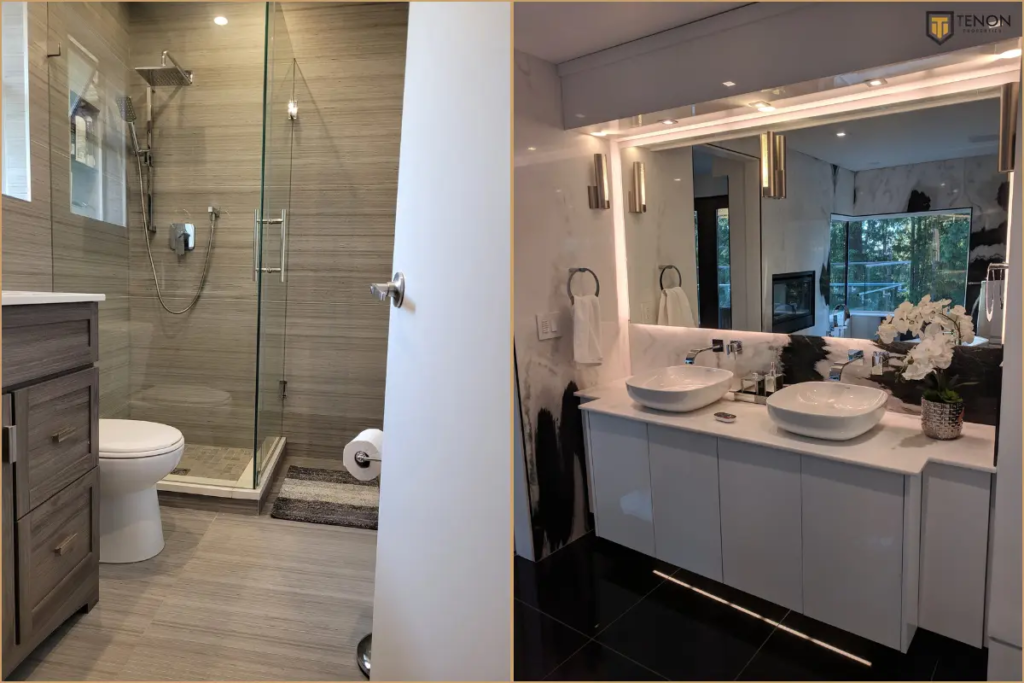
This is the entry point for bathroom upgrades — typically a half-bath with a toilet and sink but no shower or tub. A refresh usually includes a new vanity, toilet, lighting, paint, and light tile work, without relocating any plumbing. Keeping fixtures in their existing positions is the single biggest lever for staying at the low end of this range.
Standard 3-Piece Bathroom: $18,000 – $35,000
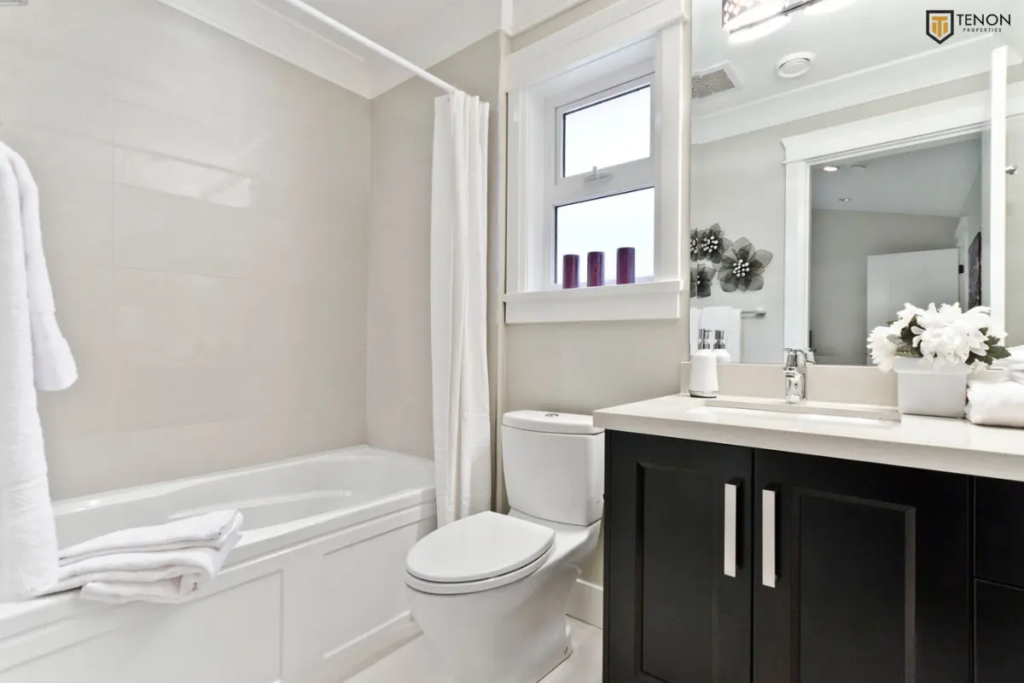
This is the most common renovation type and includes a full gut: demolition, waterproofing, a new tub or shower, tile, vanity, fixtures, and labour. Most projects in this category land in the $25,000–$30,000 band once everything is tallied. This tier typically includes a walk-in shower or tub replacement, a stone-topped vanity, updated lighting, and proper waterproofing throughout.
Master Ensuite Renovation: $28,000 – $45,000+
Ensuites cost more because they’re larger and tend to involve more layout changes — double vanities, larger shower enclosures, and sometimes plumbing relocation. Custom tile selections and glass shower work also push costs upward quickly in this category.
Luxury Bathroom Remodel: $40,000 – $65,000+
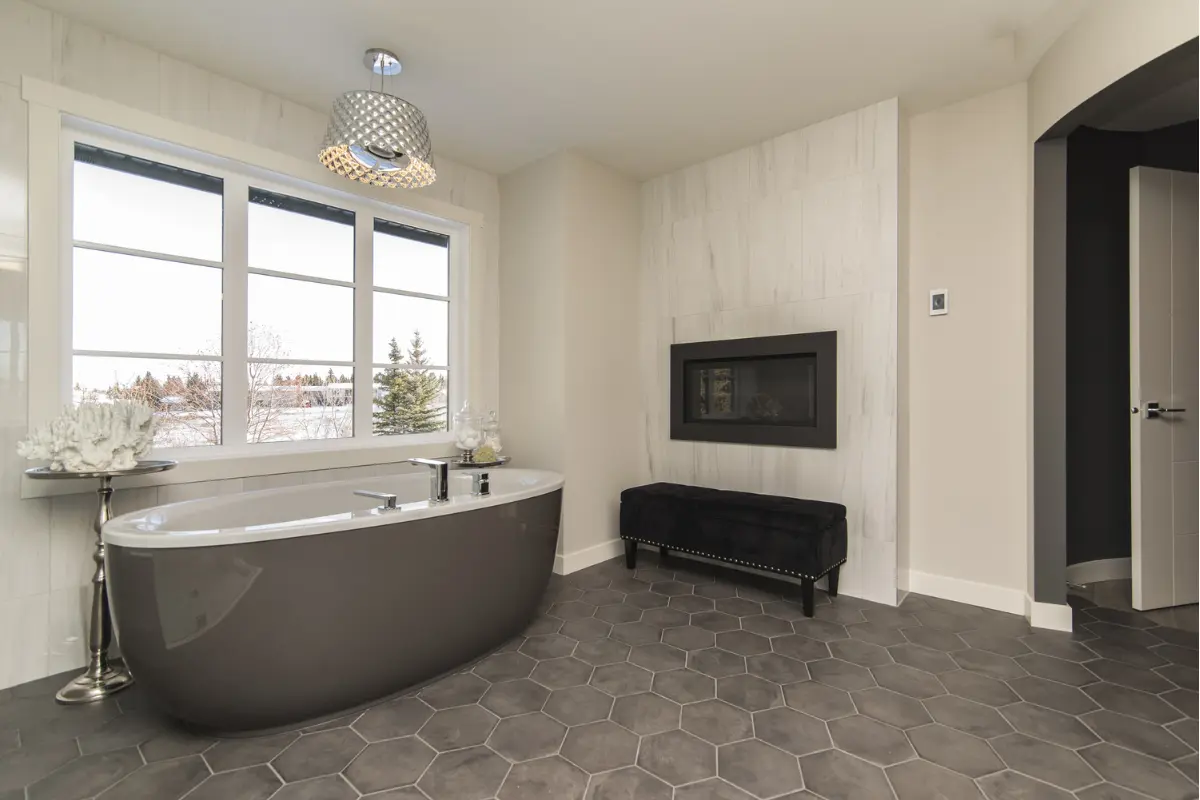
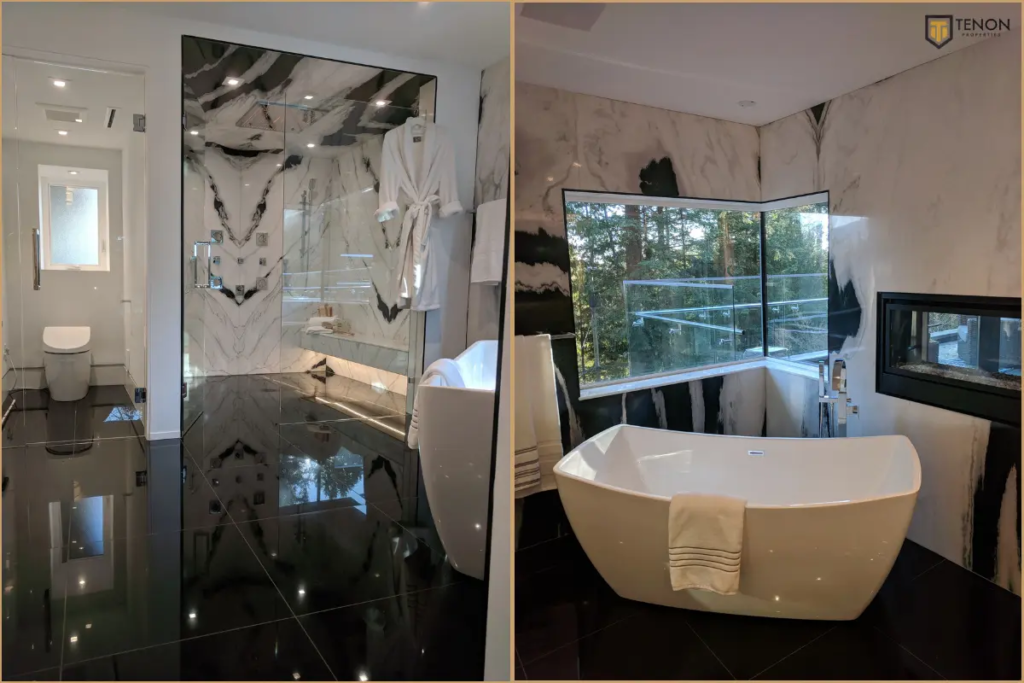
At this level, you’re looking at premium large-format tile or natural stone, curbless showers, freestanding soaker tubs, heated flooring, custom cabinetry, and sometimes structural changes like absorbing an adjacent closet for more square footage. Luxury renovations in West Vancouver and North Vancouver routinely fall into — and exceed — this range.
Condo Bathroom Renovation: $18,000 – $32,000
Condo renovations carry their own complications: strata noise restrictions, limited work hours, shared plumbing lines that limit how much you can relocate fixtures, and the logistics of moving materials through elevators and service entrances. None of these add direct material cost, but they do add labour hours and scheduling friction, which shows up in the final invoice.
Where the Money Actually Goes: A Cost Component Breakdown
If you want to understand a contractor’s quote rather than just compare bottom-line numbers, here’s roughly how a $30,000 standard bathroom renovation breaks down:
|
Component |
Typical Share / Cost |
|
Labour (plumbing, electrical, tile) |
35–40% of total cost |
|
Demolition and disposal |
$2,000 – $4,000 |
|
Plumbing (rough-in to fixtures) |
$4,000 – $12,000 |
|
Electrical and lighting |
$2,000 – $4,500 |
|
Tile (material only) |
$5–$15/sq ft for porcelain; $25+/sq ft for natural stone |
|
Waterproofing membrane system |
$1,500 – $3,500 |
|
Permits |
$500 – $2,000 |
A few patterns are worth noting here. First, tile and the waterproofing underneath it are where quality matters most and where cutting corners is most expensive to fix later. Second, relocating plumbing — moving a toilet, shower, or sink to a new spot in the room — is consistently one of the biggest cost drivers in any renovation, often adding $3,000–$6,000 versus keeping fixtures in their current footprint.
Smart Ways to Manage Your Budget
You don’t need to sacrifice quality to bring your renovation in under the high end of these ranges. A few strategies consistently make the biggest difference:
- Keep the existing layout. Avoiding plumbing relocation is the single most effective way to control costs.
- Choose large-format tile. Fewer grout lines mean less installation labour and a cleaner finished look — porcelain tiles in the 12×24 or 24×24 range are durable, water-resistant, and more budget-friendly than natural stone.
- Reface instead of replace. If your vanity cabinet is structurally sound, replacing just the doors and countertop can save thousands compared to a full custom build.
- Bundle multiple bathrooms. If you’re renovating more than one bathroom, doing them together can save 10–20% compared to running separate projects, since contractors share mobilization costs and can bulk-purchase materials.
- Check provincial rebate programs before signing a contract. BC offers a personal income tax credit for seniors and people with disabilities covering items like grab bars and non-slip flooring, and programs like CleanBC’s Energy Savings initiative offer rebates for ventilation upgrades. These are worth confirming with your contractor upfront, not after the work is done.
- Choose water-efficient fixtures where possible. Installing WaterSense®-certified toilets, faucets, and showerheads can help reduce long-term water consumption without compromising performance. The City of Vancouver’s Green Bathroom & Laundry Renovations Guide also offers practical recommendations for selecting efficient fixtures and planning a more sustainable bathroom renovation.
Is a Bathroom Renovation Worth It in Vancouver's Market?
From a pure return-on-investment standpoint, bathroom renovations remain one of the better-performing home upgrades. Industry estimates suggest a well-executed mid-range bathroom renovation in Metro Vancouver returns somewhere in the 80–115% range at resale, while adding a bathroom where none existed before can return even more. Luxury renovations above roughly $65,000, however, tend to return a smaller percentage of their cost — buyers are willing to pay a premium for an updated bathroom, but that premium has a ceiling tied to the overall value of the home.
The practical takeaway: matching your renovation budget to your home’s price bracket matters more than simply spending as much as possible. A $25,000–$35,000 bathroom renovation makes sense in a $1.5M East Vancouver home. The same spend in a smaller condo deserves a more conservative approach.
How to Compare Contractor Quotes Without Getting Confused
Once you start collecting quotes, the real challenge isn’t finding a number — it’s figuring out why three numbers for the “same” project look so different. Here’s how to read a quote properly before you sign anything.
Check what’s actually included. A $20,000 quote and a $30,000 quote for the same bathroom usually aren’t pricing the same scope of work. Look closely at whether permits, disposal fees, waterproofing membrane systems, and fixture allowances are itemized or just bundled into a vague lump sum. A lower number that excludes permits and disposal can easily end up costing more once those are added back in.
Ask about fixture and material allowances. Many contracts include a dollar allowance for tile, vanity, and fixtures rather than specifying exact products. This is normal, but it’s worth knowing what that allowance actually buys — a $30/sq ft tile allowance and a $10/sq ft allowance will produce very different finished bathrooms, even if the labour line items look identical.
Get the payment schedule in writing. A standard structure involves a deposit, progress payments tied to milestones (demolition complete, rough-in passed inspection, tile complete), and a final payment on completion. Be cautious of contractors asking for more than 10–15% upfront or large payments before work has actually begun.
Confirm who’s pulling permits. This should be explicitly stated in the contract, along with who’s responsible if a permit reveals additional required work — this is a common source of disputes when it’s left ambiguous.
Don’t assume the highest quote is automatically the best one. Premium pricing sometimes reflects better-quality waterproofing, more experienced tile setters, or a more detailed project management process — but it can also just reflect a contractor’s overhead. Ask each contractor to walk you through their number rather than taking the total at face value.
Timing Your Renovation
Demand for renovation trades in Vancouver isn’t constant throughout the year, and timing your project can have a real effect on both price and availability. Late spring through early fall tends to be the busiest season for general contractors, since it overlaps with exterior and outdoor projects competing for the same trade labour pool. Booking a bathroom renovation in late fall or winter can sometimes mean shorter lead times and slightly more competitive pricing, since contractors have more flexibility in their schedules.
It’s also worth building in extra lead time for material orders if you’re sourcing imported tile, custom vanities, or specialty fixtures — these items can take anywhere from two to ten weeks to arrive, and delays here are one of the most common reasons renovation timelines slip past their original estimate.
Planning Your Renovation
Bathroom renovation pricing in Vancouver isn’t arbitrary — it reflects genuine cost drivers in skilled trade availability, climate-driven building standards, and an older housing stock that often hides surprises behind the drywall. Understanding where your money goes makes it much easier to compare quotes fairly and avoid the two most common renovation mistakes: underbudgeting for hidden conditions, and overspending relative to your home’s overall value.
If you’re weighing a renovation against a move, it’s also worth running the numbers on current home values in your neighbourhood before committing to a major bathroom project, since the right scope often depends on whether you’re renovating to stay or renovating to sell. For broader context on how renovation costs compare across categories, the CMHC Home Renovation Guide is a solid independent resource for Canadian homeowners.
At Tenon Properties, we work with Vancouver homeowners regularly enough to know that the right bathroom renovation budget depends entirely on your specific home, goals, and timeline — there’s no one-size-fits-all number, despite what a quick online search might suggest. If you’re trying to figure out where your project fits into the ranges above, our team is happy to help you think it through.
FAQs
A standard main bathroom typically takes 3–6 weeks from demolition to final walkthrough. A luxury ensuite with custom features and structural changes can take 6–11 weeks, partly due to longer lead times on imported tile and custom cabinetry.
Yes, if the work involves plumbing or electrical changes — which most full renovations do. A reputable contractor will pull permits on your behalf as part of the project scope, so confirm this is included before signing a contract.
Cosmetic work like painting, in-kind fixture swaps, and tiling can legally be DIYed in BC. Any plumbing rough-in work requires a licensed plumber, and any new electrical circuit requires a licensed electrician — this isn’t optional under provincial law, and skipping it can cause problems with inspections, insurance, and resale down the line.
Opening up walls in homes built before 1980 frequently reveals issues that weren’t visible during the initial quote — outdated knob-and-tube wiring, galvanized plumbing nearing the end of its life, or moisture damage behind old tile. Budgeting an extra 15–20% as a contingency is a realistic safeguard rather than an overcautious one.