
Renovating your entire home is one of the most exciting — and, let’s be honest, one of the most overwhelming — decisions a Vancouver homeowner can make. Whether you’ve just bought an older home in East Van, a dated split-level in Burnaby, or a character house in North Vancouver, a full house renovation has the power to completely transform how you live.
But without a clear plan, it can also spiral into budget overruns, construction delays, and a whole lot of stress.
This guide walks you through every major stage of planning a full home renovation in Vancouver — what to expect, what to watch out for, and how to make smarter decisions from day one.
Why Full House Renovations in Vancouver Are Different
Vancouver’s housing market is unlike most cities in Canada. Homes here carry enormous value, which makes renovation decisions feel high-stakes. At the same time, many of the city’s beloved older homes — character Craftsmans, post-war bungalows, 1970s ranchers — are long overdue for a structural, aesthetic, and functional refresh.
Add to that Vancouver’s specific building codes, wet coastal climate considerations, and the City of Vancouver’s permit requirements, and you’ve got a renovation landscape that genuinely rewards careful planning.
The good news? A well-executed custom home renovation doesn’t just improve your quality of life — it adds significant resale value in one of Canada’s most competitive real estate markets.

Step 1: Define the Scope — What Is a "Full House Renovation" Really?
Before you get a single quote or pick a paint colour, you need to be clear on what “full house renovation” means for your specific property.
For some homeowners, it means cosmetic upgrades throughout — new flooring, fresh paint, updated fixtures. For others, it’s a structural transformation: moving walls, rewiring, replumbing, adding square footage.
Common areas included in a whole-home renovation project:
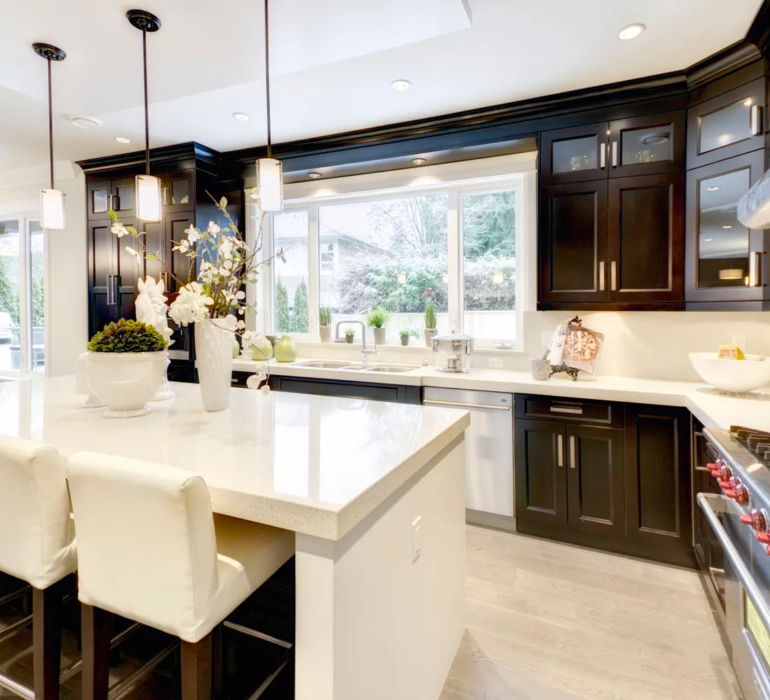
- Kitchen — often the most invested area; new cabinetry, countertops, appliances, layout changes
- Bathrooms — fixtures, tilework, vanities, sometimes complete layout overhauls
- Basement — converting unfinished space into a liveable suite or family area
- Living and dining spaces — open-concept conversions, flooring, lighting
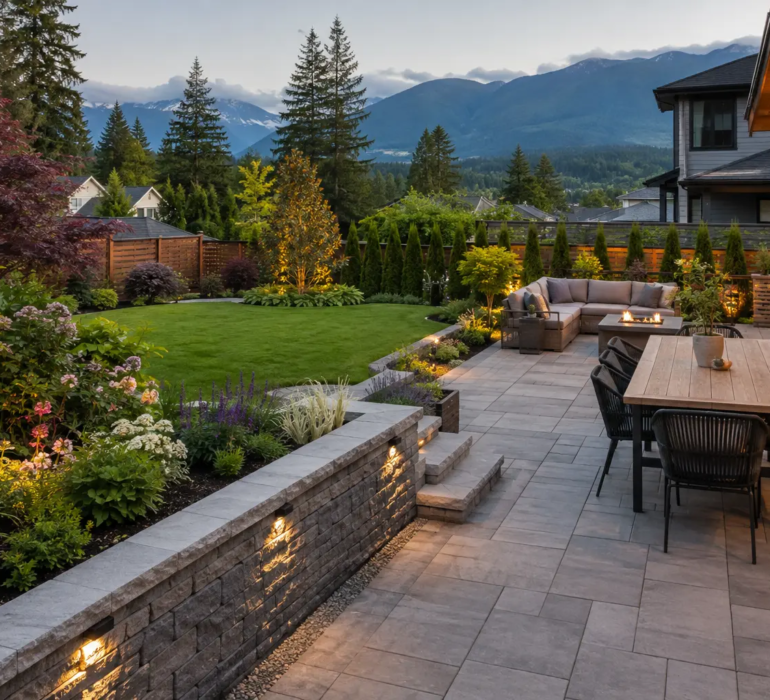
- Exterior and landscaping — curb appeal, siding, windows, patios, garden design
- Mechanical systems — HVAC, electrical panels, plumbing upgrades
Defining your scope early prevents a phenomenon contractors call “scope creep” — where a project slowly expands beyond what was budgeted, costing you time and money.
Step 2: Set a Realistic Budget (and Build in a Buffer)
Let’s talk numbers — because in Vancouver, renovation costs can vary significantly depending on the age of your home, materials selected, and the complexity of work involved.
As a general starting point for Vancouver:
- Basic renovation (cosmetic updates, minimal structural work): $150–$250 per sq ft
- Mid-range renovation (kitchen and bath overhauls, some structural): $250–$400 per sq ft
- High-end or complex renovation (full gut, custom finishes, additions): $400–$600+ per sq ft
One rule every experienced home renovation contractor will tell you: always add 15–20% contingency to your budget. Hidden issues — old wiring, water damage behind walls, outdated plumbing — are common in older Vancouver homes and show up once work is already underway.
It also helps to prioritize. Know which areas of the renovation are non-negotiable (structural safety, functional improvements) versus nice-to-have (premium finishes, luxury additions). This way, if the budget gets tight, you know exactly where you can flex.
Step 3: Research and Hire the Right Renovation Contractor
This is arguably the most important step in the entire process. The contractor you choose will make or break your renovation experience — and ultimately, your results.
Here’s what to look for when choosing a home renovation service provider in Vancouver:
Licensing and Insurance
In British Columbia, residential contractors must be licensed under the BC Homeowner Protection Act. Always verify licensing through BC Housing. Equally important is liability insurance — look for contractors carrying substantial coverage (at least $2 million is standard; some carry $5 million or more). This protects you in case of on-site accidents or property damage.
WorkSafe BC (WCB) Coverage
Ask any contractor for proof of WCB coverage before signing a contract. This protects workers on your property and protects you from liability if a worker is injured on site.
Experience and Portfolio
A contractor for home renovation should be able to show you previous full-home projects — not just a kitchen remodel here or a bathroom refresh there. Look for experience with projects similar in scale and style to yours.
References and Reviews
Go beyond Google Reviews. Ask for direct references from past clients — specifically homeowners who had full renovations completed. Ask those clients about how issues were handled mid-project, not just how the final product looked.
Clear Communication
You’ll be working closely with this team for weeks or months. The right contractor works with you — keeping you updated, flagging problems early, and incorporating your preferences along the way. This hands-on, responsive approach is what separates a great renovation experience from a frustrating one.
Step 4: Navigate Vancouver Permits and Approvals
Many homeowners underestimate how much of the planning phase is about paperwork — and skipping this step is how renovations become legal headaches.
In Vancouver, building permits are required for:
- Structural changes (moving or removing walls, adding rooms)
- Electrical and plumbing work beyond minor repairs
- Secondary suite additions or basement conversions
- Exterior changes that affect the building envelope
- HVAC system changes
The City of Vancouver’s Development, Buildings and Licensing department handles permits. Processing times vary — simple permits can take a few weeks; complex projects may take several months. If your home is in a heritage zone or a neighbourhood with specific design guidelines, factor in additional review time.
Your renovation contractor should be familiar with this process and ideally help coordinate permit applications. Any reputable home renovation service will not encourage you to skip permits — unpermitted work can complicate home sales and expose you to fines.
Step 5: Develop a Renovation Timeline
A full house renovation in Vancouver doesn’t happen overnight. Depending on the scope, you’re looking at anywhere from 3–4 months for a focused whole-home refresh to 9–12 months (or more) for a complex, multi-phase project.
A typical timeline might look like this:
Months 1–2: Planning and Pre-Construction
Design finalization, permit applications, contractor selection, material sourcing, scheduling trades.
Months 3–5: Structural and Mechanical Work
Demolition, framing changes, rough-in plumbing, electrical, HVAC. This is the “ugly” phase — but it’s where the real transformation begins.
Months 5–7: Interior Finishing
Drywall, flooring, cabinetry, tilework, fixtures, painting.
Months 7–8: Final Details and Inspections
Trim work, appliance installation, punch-list items, final city inspections.
Delays are common — materials get backordered, trades get busy, and inspections take longer than expected. Building buffer time into your schedule (and finding temporary accommodation if needed) will make the process far less stressful.
Step 6: Tackle the Major Zones Strategically
In a full home renovation, sequencing matters. You don’t tile a bathroom and then reroute plumbing through it. Here’s a smart approach to the major zones:
Kitchen Renovation
The kitchen is where homeowners typically invest the most — and where they see the highest return. In Vancouver’s real estate market, an updated kitchen can be a significant selling point.
Prioritize layout functionality first. Islands, peninsulas, and open-concept transitions to living areas are popular in Vancouver homes. Then layer in your finishes: cabinetry, countertops, backsplash, and appliances.
Bathroom Renovation
Bathrooms reward smart material choices. In Vancouver’s damp climate, proper waterproofing and ventilation are non-negotiable — not just aesthetic upgrades. Heated floors, double vanities, and walk-in showers have become increasingly standard in renovated Vancouver homes.
Basement Renovation
Finishing an unfinished basement adds liveable square footage at a relatively lower cost-per-square-foot than building an addition. In Vancouver, many homeowners convert basements into secondary suites for rental income — a smart financial move given local rental demand. Ensure your basement renovation plan accounts for egress windows, proper insulation, and moisture barriers.
Exterior and Landscaping
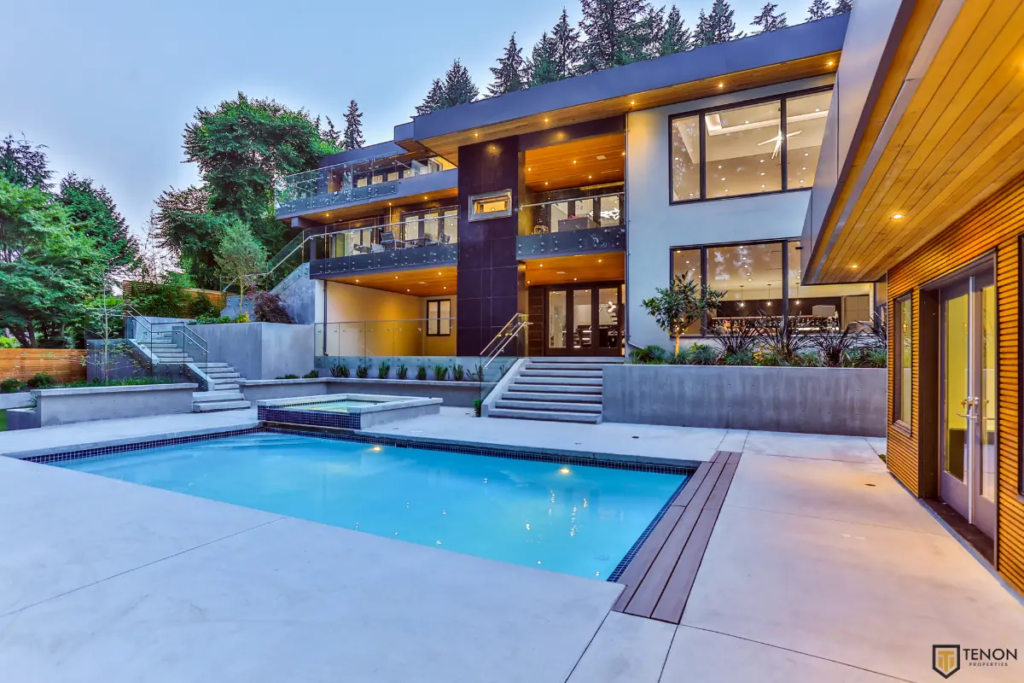
Your home’s exterior is the first thing anyone sees. Updating siding, windows, and entry points not only improves curb appeal but can meaningfully improve energy efficiency. Exterior landscaping — patios, pathways, plantings — extends your liveable space and completes the transformation.
Step 7: Select Materials Thoughtfully for Vancouver's Climate
Vancouver’s wet, mild climate should influence your material choices throughout a renovation — not just on the exterior.
- Flooring: Engineered hardwood handles humidity fluctuations better than solid hardwood in Vancouver’s climate. Large-format porcelain tiles are durable and low-maintenance.
- Windows: Double or triple-glazed, low-E glass windows improve energy efficiency year-round.
- Exterior cladding: Fiber cement, treated wood, and composite materials resist moisture and weathering better than vinyl in coastal conditions.
- Insulation: Many older Vancouver homes are under-insulated. A renovation is the ideal time to upgrade wall and attic insulation, reducing heating costs significantly.
Working with a contractor who understands local building conditions — not just general renovation principles — makes a real difference here.
Step 8: Stay Involved (Without Micromanaging)
Once construction begins, your job isn’t over — but it also isn’t to second-guess every nail. A healthy approach is structured involvement: regular check-ins (weekly or bi-weekly walkthroughs), a dedicated communication channel with your project lead, and clear documentation of any changes.
Change orders — written documentation of any modifications to the original scope — are your best protection. Any reputable home renovation contractor will provide these automatically. Never allow verbal-only changes to your project.
Stay decisions-ready. Construction moves quickly, and delays often happen when homeowners aren’t available to approve selections or changes promptly. Have your tile choices, fixture specs, and paint colours ready before they’re needed on-site.
What Makes a Renovation Partner Worth Trusting?
Across all eight steps above, one constant emerges: the quality of your renovation experience is largely determined by who you work with.
The best renovation partners share a few defining traits. They communicate proactively — not just when things go well, but especially when challenges arise. They have a track record of completed projects you can verify. They carry proper insurance and WCB coverage. And they work directly with you throughout the process, making adjustments based on your feedback rather than pushing you toward a predetermined outcome.
For Vancouver homeowners exploring full house renovations, Tenon Properties brings over 25 years of hands-on experience to every project. The team works directly with homeowners throughout the renovation — no layers of subcontractors you never meet, no decisions made without your input. All renovations come backed by a 2-year warranty, $5 million liability coverage, and full WCB coverage.
Ready to Plan Your Full Home Renovation in Vancouver?
A whole-home renovation is a significant commitment — but with the right plan and the right team, it’s one of the most rewarding investments you can make in your home and your quality of life.
Tenon Properties is a Vancouver-area home renovation contractor serving the Lower Mainland, with deep experience in full house renovations, kitchen and bathroom transformations, basement finishing, and exterior landscaping projects.
FAQs
Scope varies widely, but most full home renovations take between 4–10 months from permit approval to completion. Larger or more complex projects may take longer.
For major structural work, it’s usually safer and more comfortable to make alternative arrangements — at least during the most disruptive phases (demolition, rough-in trades). Your contractor can advise based on your specific project.
Most full renovations require building permits from the City of Vancouver. Structural changes, plumbing, electrical, and exterior modifications all typically require permits. Your contractor should help coordinate this.
Check BC Housing’s Licensed Residential Builder Registry, ask for references from past full-renovation clients, verify insurance and WCB coverage, and meet the team before signing anything.